

Understanding the Challenge
When patients walk into our office, they often have a clear picture of what they want their smile to look like. They might mention wanting whiter teeth, a fuller smile, or more confidence when they speak and laugh. These esthetic desires are valid and important, and we always listen carefully to what matters most to each person.
But sometimes, there’s more to the story than what meets the eye.
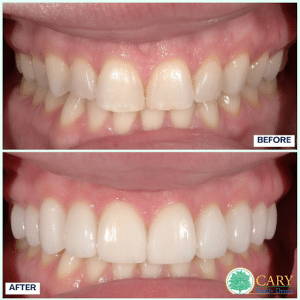
A patient recently came to us with several concerns. Their teeth had been chipping repeatedly, which was both frustrating and concerning. They also felt their teeth appeared too short and didn’t show enough when they smiled. They wanted a brighter shade, a broader arch form, particularly toward the back of their mouth, and a more rounded, feminine appearance overall.
These were all understandable goals, and we knew we could help. However, as Dr. Kristin Madden conducted her initial examination and reviewed their dental history, she discovered something crucial: the chipping wasn’t just bad luck or an isolated problem. It was a symptom of a deeper functional issue.
The Connection Between Form and Function
In dentistry, we often talk about the relationship between esthetics and function. A truly successful treatment addresses both. In this case, the patient had what we call a constricted bite. Essentially, their teeth were coming together in a way that didn’t allow adequate space for proper function. This constant, improper contact was causing the chipping they’d been experiencing.
This discovery was important for several reasons. First, it meant that if we only addressed the esthetic concerns without correcting the bite, the new restorations would likely chip as well. Second, it gave us the opportunity to create a treatment plan that would provide lasting results, not just a temporary fix.
When Dr. Madden explained this to the patient, they understood immediately. While they were excited about the cosmetic changes they wanted, they appreciated that stability and proper function would be the foundation of their new smile. Together, they decided that veneers would be the ideal solution, allowing them to address both the functional and esthetic aspects of the case.
Creating the Treatment Plan
Every comprehensive case begins with thorough documentation. Dr. Madden took full photos and digital scans to capture every detail of the patient’s current smile and bite relationship. This documentation serves multiple purposes. It helps us plan the treatment precisely, communicate effectively with our dental laboratory, and show the patient exactly what we’re seeing.
As she reviewed the case, it became clear that we needed to create more space for the veneers. Because of the constricted bite, we would need to open the bite slightly. This would accomplish two things: it would give us adequate room to place the porcelain veneers with proper thickness, ensuring their strength and longevity, and it would eliminate the problematic contact pattern that had been causing the chipping.
Opening a bite is not something we do casually. It requires careful planning and a methodical approach to ensure the new bite position is stable and comfortable. This is where Dr. Madden’s advanced training at the Kois Institute in Seattle became particularly valuable. All of our doctors have completed extensive continuing education at Kois, which is recognized worldwide as a leader in comprehensive, functionally driven dentistry.
The Deprogrammer Phase
Dr. Madden fabricated a KOIS deprogrammer, a specialized appliance that the patient would wear to allow their jaw muscles and joints to relax into a natural, unstrained position. Think of it as hitting a reset button on the bite. Over time, our bites can shift due to wear, tooth loss, grinding habits, or other factors. The muscles and joints adapt to these changes, but not always in the healthiest way.
The deprogrammer helps us determine where the bite should be, rather than where it has been forced to be. Our patient wore this appliance for three to four weeks. During this time, their muscles relaxed, their joints settled into a more comfortable position, and we were able to observe where their bite naturally wanted to rest.
This phase requires patience, both from us and from the patient. We know it can feel like you’re waiting to get started with the “real” treatment. But this step is absolutely critical. It ensures that when we design and place the veneers, they’ll be in harmony with the natural position of the jaw. Without this step, we’d essentially be guessing, which could lead to discomfort, instability, or the need for adjustments down the road.
Our patient was incredibly cooperative during this phase, wearing the deprogrammer as directed and coming in for check-up appointments. This commitment to the process made all the difference in achieving the excellent outcome they deserved.
Working With the Laboratory
Once the deprogrammer phase was complete and we had established a stable bite position, we moved forward with the next critical step: working with Utah Valley Dental Lab to design the new smile.
Dr. Madden took what’s called a facebow record, which captures the relationship between the upper jaw and the skull. This allows the laboratory technician to mount the models on an articulator in the same position they exist in the patient’s head. It might sound technical, but it’s essentially about recreating the patient’s unique anatomy in the lab so that the veneers are designed specifically for them.
She also sent detailed photographs showing the patient’s face, smile, and preferences for shade and shape. Our patient had a clear vision for what they wanted, which made the esthetic portion of the planning remarkably efficient. They knew they wanted a brighter shade and a more rounded, feminine appearance, and they communicated this well.
The laboratory created a diagnostic wax-up, which is essentially a prototype of the new smile created in wax on a model of the teeth. This allowed us and the patient to see, in three dimensions, what the final result would look like before we ever touched their natural teeth. We reviewed this wax-up together, making sure it met their expectations and addressed all the functional requirements we’d identified.
This collaborative process is one of the aspects of dentistry we find most rewarding. It’s not about imposing our vision on the patient. It’s about listening to what they want, combining that with our clinical expertise, and creating something together that exceeds expectations.
Preparation and Temporary Veneers
Once the diagnostic wax-up was approved, we moved forward with preparation. Dr. Madden carefully prepared teeth four through thirteen for veneers. This is a ten-unit case, meaning we would be placing veneers on ten teeth across the upper arch.
Preparation is a precise process. We need to remove just enough tooth structure to allow space for the porcelain, but we want to be as conservative as possible, preserving as much healthy tooth structure as we can. The diagnostic wax-up served as a guide during this process, helping Dr. Madden prepare each tooth to the exact specifications needed for the final veneers.
Immediately after preparation, we fabricated temporary veneers. These temporaries were created using a PVS impression of the diagnostic wax up, so they mirrored the design we’d already approved. We made them in shade BL, giving the patient an immediate preview of their new, brighter smile.
Temporaries serve several important purposes. They protect the prepared teeth, of course, but they also allow the patient to “test drive” their new smile. They can see how the new shape and length look with their face, how the new bite feels when they chew and speak, and whether any adjustments are needed before we commit to the final porcelain restorations.
Dr. Madden refined the occlusion, making sure the teeth were coming together properly and comfortably, and adjusted the esthetics based on the patient’s feedback. By the end of that appointment, the patient was pleased with how the temporaries looked and felt. They left the office with a smile they were excited to show off, even though these were just the temporary restorations.
The Refinement Process
About ten to fifteen days later, the patient returned for a follow-up visit. This interval is important because it gives them time to live with the temporaries, notice how they function during meals, and really look at them in different lighting and settings.
At this visit, the patient made a specific request. They wanted teeth seven and ten to be slightly shorter. This is exactly the kind of feedback we want. Every person’s face is unique, and what looks perfect on the models in the lab might need slight adjustments once we see it in the context of that individual’s face, lips, and smile line.
We shortened those two teeth in the temporaries right then and there. The patient was happy with the change, so we communicated this adjustment to the laboratory, ensuring that the final veneers would be made with the exact dimensions the patient wanted.
This is one of the many reasons we never rush the process. Having the time to make adjustments, to live with the temporaries, and to fine-tune every detail is what separates a good outcome from a truly excellent one.
Delivery Day
After the laboratory completed the final veneers, incorporating all the refinements and adjustments we’d discussed, the patient returned for delivery. This is always an exciting appointment, both for us and for the patient.
Dr. Madden carefully tried in each veneer, checking the fit, the bite, and the esthetics. The shade matched perfectly with what the patient had envisioned. The shape and length were exactly as we’d refined them during the temporary phase. Most importantly, the bite was stable and comfortable, with the slight opening we’d planned for giving the teeth adequate space to function without the damaging contact that had caused the original chipping.
The patient was thrilled. The transformation was everything they’d hoped for, addressing both the functional issues that had been causing problems and the esthetic concerns they’d come in with originally.
The Three-Month Journey
From initial consultation to final delivery, the entire process took approximately three months. For some patients, this might seem like a long time, especially when you’re eager to have your new smile. But every step in this timeline served a specific purpose.
The deprogrammer phase ensured a stable bite position. The diagnostic wax-up allowed for collaborative planning. The temporary phase gave us the opportunity to refine every detail. And the final result? A beautiful, functional smile that should last for many years.
The patient shared with us that they were nervous at the beginning of the process. Major dental treatment can feel overwhelming, and it’s natural to have concerns. But they felt supported throughout the journey. They appreciated how Dr. Madden and our team took the time to explain each step, how we listened to their preferences and concerns, and how we helped them understand the budgeting and financial aspects of the treatment.
This kind of feedback reminds us why we do what we do. Dentistry is about more than just teeth. It’s about helping people feel confident, comfortable, and cared for.
Why This Case Matters
We’re sharing this case not to boast, but to illustrate what’s possible when we take a comprehensive approach to dental care. Too often, patients seek treatment for one specific concern without realizing there might be underlying issues that need attention. Or they assume that esthetic treatments are purely cosmetic, not understanding how they can also improve function and longevity.
This patient came in wanting a prettier smile. What they got was a smile that not only looks beautiful but also functions properly, with a stable bite that should prevent the chipping problems they’d experienced before. That’s the power of looking at the whole picture and taking the time to do things right.
The advanced training our doctors receive at the Kois Institute equips them to think beyond the surface level. They’re trained to evaluate not just what the patient sees, but what’s happening functionally beneath the surface. This approach leads to more predictable, longer-lasting outcomes.
Special Considerations in Complex Cases
This case involved several factors that required careful attention. First, creating adequate space for the porcelain was essential. With ten units, we needed to ensure that every veneer would have proper thickness for strength and esthetics. The deprogrammer played an important role in achieving the stable bite position we needed for the laboratory to fabricate the restorations accurately.
Precise preparation design was also critical. Each tooth needed to be prepared to exacting standards to ensure the veneers would fit properly, bond securely, and create the natural, seamless appearance the patient wanted.
Finally, we were fortunate that this patient had a clear vision for the shade and shape they wanted. They communicated well, which made the esthetic portion of the case efficient and collaborative. Not every patient knows exactly what they want, and that’s fine. We’re here to guide and educate. But when a patient can articulate their goals clearly, it helps us deliver results that truly meet their expectations.
What This Means for You
If you’re reading this and thinking about your own smile, you might be wondering whether this type of treatment is right for you. Maybe you’ve experienced chipping teeth, or perhaps you’ve been unhappy with the appearance of your smile for years, but weren’t sure what could be done.
The first step is always a consultation. During this visit, we’ll listen to your concerns, conduct a thorough examination, and help you understand all your options. Not everyone needs veneers, and not every case requires the complexity of this one. But if you do need comprehensive treatment, we’ll walk you through every step, just as Dr. Madden did with this patient.
We believe in treating the cause, not just the symptoms. We believe in taking the time to do things right. And we believe in partnering with our patients to create smiles that are both beautiful and functional.
Your smile is unique. Your treatment should be, too. Whether you’re dealing with functional issues like chipping or grinding, or you simply want to enhance the appearance of your teeth, we’re here to help you understand what’s possible and guide you through the process with clarity, compassion, and expertise.
If you’ve been considering making a change, there’s no better time than now to explore your options. The investment you make in your oral health and your confidence is one that will pay dividends for years to come.
Moving Forward
Transformative dental care doesn’t happen overnight, and it doesn’t happen by chance. It’s the result of careful planning, precise execution, collaboration between the dentist and laboratory, and most importantly, a partnership between the dental team and the patient.
This case is just one example of what we do every day. Each patient who walks through our door has a unique story, unique challenges, and unique goals. Our job is to listen, to understand, and to apply our training and experience to help them achieve the smile they deserve.
If you’re ready to take the next step, we’d love to talk with you. Whether you need functional corrections, esthetic enhancements, or both, we’ll develop a treatment plan that’s tailored specifically to your needs and your budget. And we’ll support you every step of the way, from the initial consultation through the final delivery and beyond.
Your best smile is waiting. Let’s work together to make it a reality.
Frequently Asked Questions
-
How long do porcelain veneers typically last?
Porcelain veneers are a durable, long-lasting solution when properly cared for. With good oral hygiene, regular dental check-ups, and normal use, veneers can last anywhere from 10 to 20 years or even longer. Factors that influence longevity include the quality of the original preparation and bonding, how well you care for them, and habits like teeth grinding. If you grind your teeth at night, we may recommend a protective night guard to help preserve your veneers and your natural teeth.
-
Will veneers feel different from my natural teeth?
Most patients adapt to their veneers very quickly. During the temporary phase, you’ll have the opportunity to get used to the new shape, size, and bite. By the time we place the final veneers, the feel should be very familiar. Some patients notice a slight difference initially, particularly if the veneers have changed the length or shape of their teeth significantly, but this typically becomes completely natural within a few days to a week.
-
What is a KOIS deprogrammer, and why is it necessary?
A KOIS deprogrammer is a custom appliance designed to help your jaw muscles and joints relax into their most natural, comfortable position. It’s particularly important in cases where we need to adjust the bite or open it slightly. By wearing the deprogrammer for several weeks before we begin the veneer preparations, we can ensure that the new restorations are placed in harmony with your optimal bite position, rather than compensating for a compromised or strained position. This step helps ensure long-term comfort and stability.
-
Can veneers fix functional problems, or are they just cosmetic?
Veneers are often thought of as a purely cosmetic treatment, but they can absolutely address functional issues as well. In cases where teeth are chipping due to a poor bite relationship, veneers can be designed to create a more stable, protective bite pattern. They can also restore worn teeth to their proper shape and length, improving chewing efficiency. The key is comprehensive treatment planning that addresses both the functional and esthetic aspects of your smile.
-
How do you determine the right shade for veneers?
Choosing the right shade is both an art and a science. We use professional shade guides and often take photographs in different lighting conditions to help us communicate with the laboratory. Most importantly, we listen to your preferences. Some patients want the brightest white possible, while others prefer a more natural shade that blends with their skin tone and personality. We’ll review shade options together during the planning phase, and you’ll see the shade in your temporary veneers before we commit to the final restorations.
-
Why does the process take several months?
While it might seem like a long time, each phase of the treatment serves a specific purpose. The deprogrammer phase allows your bite to settle into the optimal position. The diagnostic wax-up and planning phase ensures we have a clear blueprint for success. The temporary phase gives you time to live with the new design and make any refinements before we create the final porcelain veneers. Rushing this process could compromise the outcome, so we take the time needed to do things right.
-
What happens if I don’t like something about the temporary veneers?
The temporary phase is specifically designed to be a trial period. If there’s something you want to change about the shape, length, or overall appearance, we can make adjustments to the temporaries. Once you’re completely satisfied, we communicate those specifications to the laboratory for the final veneers. This is one of the major advantages of the temporary phase. It allows us to refine every detail before creating the permanent restorations.
-
How do I care for veneers once they’re placed?
Caring for veneers is very similar to caring for your natural teeth. Brush twice daily with a non-abrasive toothpaste, floss daily, and visit us regularly for check-ups and cleanings. Avoid using your teeth as tools to open packages or bite into extremely hard objects. If you play contact sports, we recommend wearing a mouthguard. With proper care, your veneers should remain beautiful and functional for many years.
-
Is the veneer process painful?
We use local anesthesia during the preparation appointment to ensure you’re comfortable throughout the process. After the anesthesia wears off, some patients experience minor sensitivity, particularly to temperature, but this is typically mild and temporary. Once the final veneers are bonded in place, most patients experience no discomfort at all. If you’re anxious about dental procedures, we can discuss sedation options to help you feel more relaxed.
-
How do you help with the financial aspect of major dental treatment?
We understand that comprehensive dental treatment is an investment, and we’re committed to helping you understand all your options. During your consultation, we’ll provide a clear treatment plan with associated costs. We offer various payment plans and can work with you to create a budget that makes sense for your situation. Many patients choose to break treatment into phases if needed. Our goal is to make quality dental care accessible, and we’ll work with you to find a solution that fits your needs.
Contact Cary Family Dental:
919-371-4428
Location (Tap to open in Google Maps):
915 Kildaire Farm Rd
Cary, North Carolina
27511